The Impact of Layout on User Experience
The layout of a casino is meticulously crafted to enhance the user experience, guiding visitors through a maze of entertainment and excitement. Designers strategically arrange gaming machines, tables, and entertainment units to create an immersive environment that encourages exploration. The primary objective is to keep patrons engaged and prolong their stay, especially when they discover a fast withdrawal casino canada real money option nearby. For instance, placing high-stakes tables near the entrance not only attracts seasoned players but also tempts casual visitors to try their luck, resulting in a seamless flow throughout the venue. This initial layout design acts as a psychological trigger that invites exploration and participation.

Moreover, the spatial organization plays a crucial role in crowd management and social interaction. By incorporating open spaces and designated zones for various activities, designers facilitate a comfortable atmosphere where guests can socialize and enjoy gaming. This layout contributes to the casino’s overall aesthetic appeal, drawing attention to specific areas and making it easier for players to navigate through the complex. Understanding how layout affects behavior enables casinos to optimize their designs, creating environments that enhance the overall experience and lead to increased customer satisfaction.
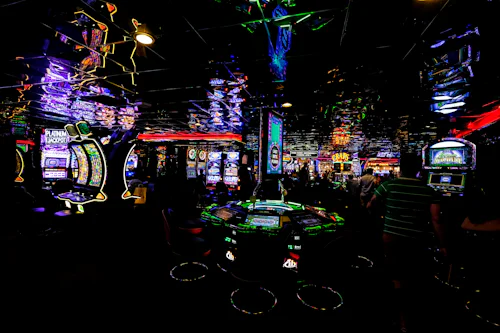
The incorporation of various elements such as lighting, sound, and even scents further complements the layout’s psychological impact. Bright and colorful lights lure players to gaming areas, while the sounds of coins and cheers create a lively ambiance. This multisensory experience maximizes the potential for sustained engagement, demonstrating how layout and sensory design intertwine to create a compelling environment. By strategically placing gaming machines and tables, casinos can guide foot traffic and enhance player interaction, ultimately leading to increased game participation and longer visits.
The Role of Color and Lighting
Color and lighting are powerful tools in casino design, wielding significant influence over mood and behavior. Warm colors like reds and golds evoke feelings of luxury and excitement, while cooler tones can be calming, encouraging players to linger longer. The use of vibrant hues throughout the gaming floor serves to heighten energy levels, while softer lighting in lounge areas promotes relaxation and social interaction. Each color choice is deliberate, aiming to create a specific emotional response in guests and enhance their overall gaming experience.
Lighting also plays a critical role in establishing the casino’s atmosphere. Designers often employ a combination of ambient, task, and accent lighting to create focal points that draw the eye. For instance, spotlighting high-stakes games while using more diffused light across the general gaming area creates a contrast that attracts attention to more profitable tables. This strategic use of lighting not only enhances the visual experience but also subtly directs player behavior and decision-making, reinforcing the psychological impact of the environment on the gaming experience.
Furthermore, the interplay between color and lighting extends to signaling time, with many casinos intentionally minimizing natural light to create a timeless environment. By eliminating cues that indicate the passing of time, guests are less likely to rush their experience, allowing them to play longer and spend more. This manipulation of light and color is a prime example of how environmental factors can be engineered to influence player psychology in a casino setting, leading to extended gaming sessions and enhanced customer loyalty.
Soundscapes and Their Psychological Effects
Soundscapes in casinos are finely tuned to create an exhilarating environment that heightens emotional engagement. The blend of upbeat music, the sounds of spinning reels, and the clinking of coins creates an auditory backdrop that energizes guests and enhances their gaming experience. This carefully curated sound design is vital for maintaining enthusiasm and encouraging patrons to keep playing. Music tempo can be strategically used to regulate pacing; faster music stimulates quicker bets while slower tunes promote a more relaxed atmosphere conducive to socializing and extended play.
Moreover, the strategic placement of sounds also influences decision-making. For example, ambient sounds can be used to mask losses, creating a sense of continuous winning despite the player’s actual standing. This psychological trick enhances satisfaction and encourages players to continue their games. The celebratory sounds associated with wins are amplified, reinforcing positive experiences and creating a feedback loop that increases the likelihood of return visits. This deliberate curation of soundscapes is an essential aspect of casino design that can significantly shape player behavior.
Finally, the auditory experience in casinos is not just about excitement but also about maintaining player comfort. Quiet areas are often strategically located for players who wish to take a break, allowing them to recharge before returning to the gaming floor. This attention to sound dynamics enhances overall player satisfaction and creates a holistic experience that supports the casino’s business objectives. By creating a balanced sound environment, casinos can cater to diverse player preferences, optimizing the overall atmosphere for enjoyment and engagement.
The Psychological Influence of Themes and Branding
Themes and branding within casino design serve not only to create a distinctive identity but also to tap into the psychology of potential visitors. Casinos often adopt themes that resonate with cultural or fantasy ideals, such as luxury, adventure, or nostalgia. This thematic approach plays on emotional connections, drawing in guests who seek not just entertainment but an escape from reality. For example, a casino designed to mimic an exotic destination can immerse visitors in a completely different world, enhancing the overall experience and creating lasting memories.
Branding elements contribute significantly to the psychological effect of casino design. Iconic logos, names, and visual motifs can evoke images of glamour and excitement, appealing to players’ aspirations. This engagement with branding reinforces loyalty and can result in repeat visits, as individuals associate positive experiences with the casino’s identity. By analyzing how branding elements affect customer perception and satisfaction, casinos can refine their marketing strategies and operational approaches to align with the psychological needs of their audience.
Additionally, the use of themed events and promotions can further enhance the psychological allure of a casino. Special themed nights or merchandise that aligns with the established identity can create a sense of community and exclusivity, encouraging guests to participate and immerse themselves in the experience. This focus on creating a cohesive thematic experience demonstrates how powerful branding can shape customer loyalty and influence player behavior within the casino landscape, ultimately driving profitability and enhancing the overall guest experience.
Exploring More About Casino Design
Understanding the nuances of casino design provides valuable insights into the psychology of player behavior and decision-making. From layout and color schemes to soundscapes and branding, every aspect is intentionally crafted to create an engaging and thrilling environment. This meticulous attention to psychological factors underscores the importance of design in influencing gambling experiences and enhancing customer satisfaction. By exploring these various elements, both designers and players can gain a deeper appreciation for the art and science of casino environments.
For those interested in delving deeper into the psychology behind casino design, numerous resources are available that explore the intersection of behavioral science and entertainment. Engaging with academic studies, industry reports, and expert insights can be helpful for aspiring designers, marketers, and anyone eager to understand the power of environment on human behavior. These resources provide a comprehensive view of the strategies employed in casino design, revealing the intricate relationship between space, emotion, and decision-making.
Ultimately, the interplay between environment and psychology in casino design creates a unique landscape of excitement and engagement. As design continues to evolve with advancements in technology and psychology, the future of casino experiences promises to be even more immersive and emotionally resonant. This ongoing evolution invites further exploration into this fascinating field, encouraging a deeper understanding of how casinos operate and why certain design strategies are employed to influence player behavior and enhance their experiences.