A szerencsejáték történeti fejlődése Hogyan alakította az emberi kultúrát
A szerencsejáték eredete
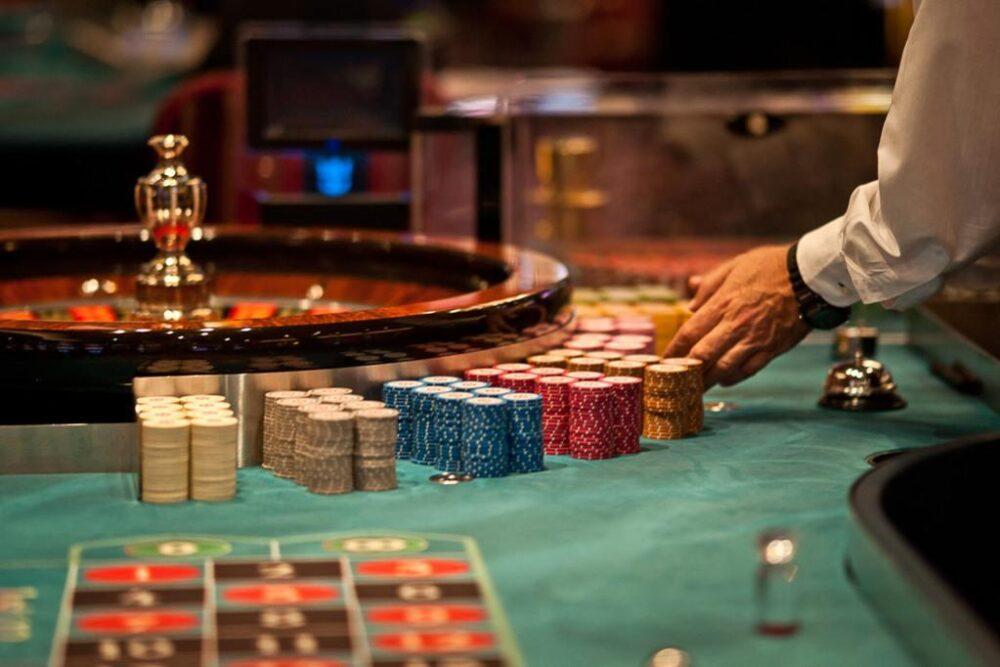
A szerencsejáték története szorosan összefonódik az emberi kultúra fejlődésével. Az ókorban, a sumérok és az egyiptomiak idejében már léteztek különféle játékok, amelyekben a véletlenen alapuló fogadások zajlottak. Ezek a kezdetleges formák lehetőséget adtak az embereknek, hogy próbára tegyék szerencséjüket, miközben közösséget teremtettek a játék köré. A játékszabályok folyamatosan fejlődtek, és így a szerencsejáték különösen népszerűvé vált a társadalmi eseményeken.
Ezek a korai szerencsejátékok nemcsak a szórakozás forrásai voltak, hanem vallási és rituális célokat is szolgáltak. Az ősi kultúrákban gyakran használták a sorsolást döntések meghozatalára, vagy hogy megjövendöljék a jövőt. A szerencsejátékok tehát nemcsak a szórakozás eszközeiként működtek, hanem mélyebb kulturális jelentőséggel bírnak, hiszen az emberek hitrendszerében is fontos szerepet játszottak.
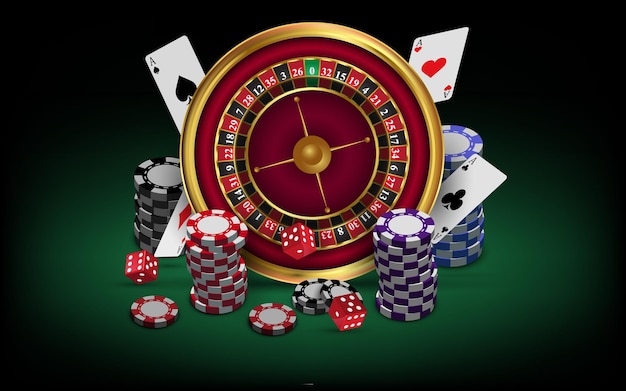
A középkor során a szerencsejátékok formái tovább fejlődtek, és megjelentek a mai kaszinók elődjének tekinthető kocsmákban, ahol a közönség szórakoztatására szolgáló játékokat játszottak. A kártyajátékok és a kockajátékok népszerűségének növekedése új lehetőségeket teremtett, ezzel hozzájárulva a társadalom társadalmi interakcióinak gazdagodásához.
A szerencsejáték szerepe a társadalomban
A szerencsejátékok társadalmi hatása vitathatatlan. Az emberek közötti kötelékek erősítése érdekében a közös játékok elősegítették a barátságok kialakulását. Azok a közösségek, amelyek aktívan részt vettek a szerencsejátékban, gyakran szorosabb kapcsolatokkal rendelkeztek. Ez a szociális aspektus a mai napig fontos szerepet játszik a szerencsejáték kultúrájában, amely nem csupán a nyerésről, hanem a közös élményekről is szól.
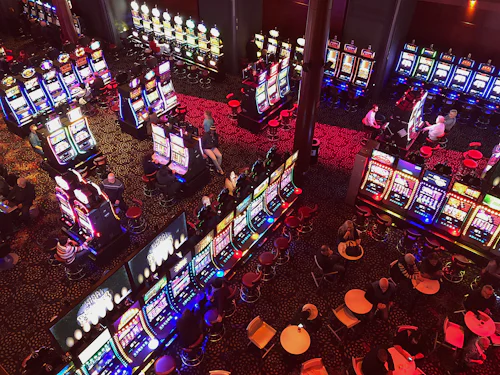
Továbbá, a szerencsejáték gazdasági hatásai is figyelemre méltóak. A különféle játékok és fogadások lehetővé tették a helyi gazdaságok fellendítését, hiszen új munkahelyek jöttek létre a kaszinókban és a sportfogadó irodákban. Az ilyen jellegű tevékenységek gyakran vonzzák a turistákat, így hozzájárulnak a városok bevételeihez és fejlődéséhez.
A szerencsejáték kultúrája nemcsak szórakozást nyújt, hanem különféle szociális és gazdasági lehetőségeket is teremt. Az emberek általában azért játszanak, hogy szórakozzanak, de a mögöttes dinamika sokkal összetettebb. A szerencsejáték gyakran tükrözi a társadalom értékeit, hagyományait és szokásait, sőt, a társadalmi változásokra is reagál.
A modern szerencsejáték fejlődése
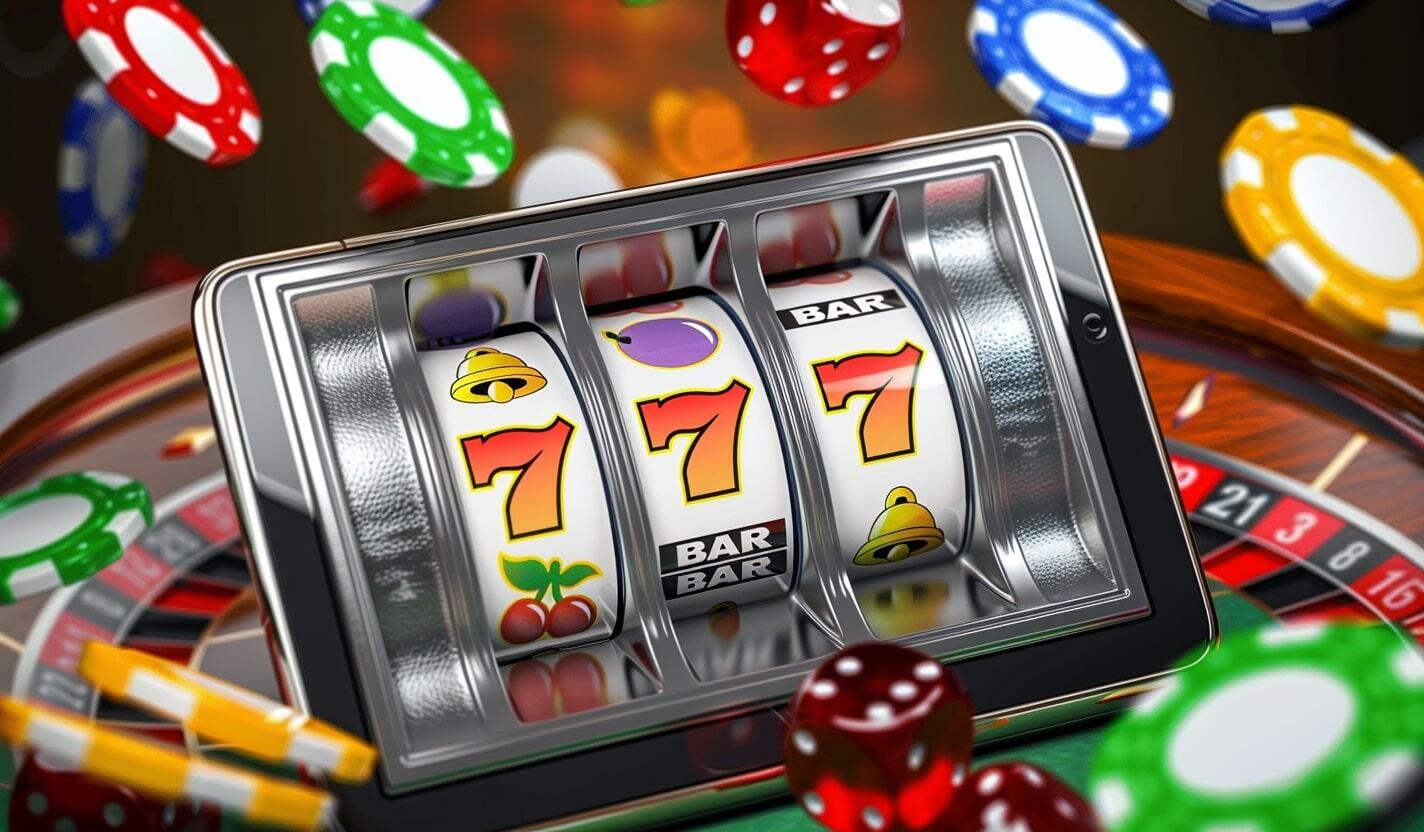
A 20. században a technológiai fejlődés jelentős változásokat hozott a szerencsejáték világában. Az online szerencsejáték megjelenése forradalmasította a játék élményét, lehetővé téve, hogy bárki, bármikor részt vehessen a játékban. Az internet elérhetősége tág teret adott a különféle platformoknak, ahol a felhasználók könnyedén felfedezhetik a játékokat és fogadhatnak, anélkül, hogy fizikailag el kellene látogatniuk egy kaszinóba.
Az online kaszinók és sportfogadási oldalak megjelenésével a hagyományos szerencsejáték formák is átalakultak. A digitális térben a felhasználók bónuszokat és promóciókat vehetnek igénybe, amelyek elősegítik a játékosok elköteleződését. Az innovációk, mint például a mobilalkalmazások, lehetővé tették a játékosok számára, hogy útközben is részt vegyenek a fogadásokban, ami radikálisan átalakította a játékhoz való hozzáférést.
Az online szerencsejátékok terjedése új kihívásokat is hozott, beleértve a játékfüggőség problémáját és a felelős szerencsejáték fontosságát. Az iparág számára kiemelten fontos, hogy biztosítsa a játékosok védelmét, ezért a különböző platformok különféle intézkedéseket hoznak a játékosok felelősségteljes játékának ösztönzésére, mint például a limitek beállítása és a játékosok támogatása.
A szerencsejáték kultúra hatása a művészetekre
A szerencsejáték kultúrája gazdag inspirációt nyújt a művészetek számára. Számos film, könyv és zene témája a szerencsejáték, bemutatva a játék és az azt körülvevő izgalmak világát. A híres filmes alkotások, mint a „Casino Royale” vagy a „21” nemcsak szórakoztatják a közönséget, hanem rávilágítanak a szerencsejáték komplexitására és a benne rejlő kockázatokra is.
Emellett a szerencsejáték a képzőművészetben is megjelenik. Festők és szobrászok gyakran használják a szerencsejátékot mint metaforát a szerencsére, a kockázatra és az emberi természet sötétebb oldalára. Ezek a műalkotások nemcsak a szórakozást célozzák, hanem mélyebb társadalmi és pszichológiai kérdéseket vetnek fel, amelyek elgondolkodtatják a közönséget.
A szerencsejáték tehát nemcsak a gazdasági és társadalmi kapcsolatokban játszik fontos szerepet, hanem a művészeti kifejezésben is. Az ábrázolt témák lehetőséget adnak arra, hogy az emberek felfedezzék saját kapcsolataikat a kockázatokkal, a döntésekkel és a szerencsével, ezáltal erősítve a kultúránk kifejezőerejét.
A WildRobin Casino szerepe a szerencsejáték kultúrában
A Casino online platformja új dimenziót nyitott meg a hazai szerencsejáték világában. A biztonságos és izgalmas online környezet lehetőséget ad a játékosoknak, hogy kényelmesen, otthonukból élvezhessék a játékot. A változatos játékkínálat és a felhasználóbarát felület egyaránt vonzóvá teszi a platformot a kezdők és tapasztalt játékosok számára.
A Casino különböző bónuszajánlatokat kínál, amelyek ösztönzik a játékosokat a felfedezésre és a játékélmény maximalizálására. Az ügyfélszolgálat folyamatos elérhetősége biztosítja, hogy a felhasználók bármikor segítséget kaphassanak. Ezzel a platform nemcsak szórakozást kínál, hanem biztonságos és megbízható környezetet teremt a játékosok számára.
A Casino tehát nem csupán egy szórakoztató platform, hanem aktívan hozzájárul a szerencsejáték kultúrájának fejlődéséhez Magyarországon. A fejlődő technológia és a kreatív játékformák kombinációja új lehetőségeket teremt a felhasználók számára, miközben a hagyományos értékek megőrzése is fontos szerepet játszik a kínálatban.